2067
History of the Future2026
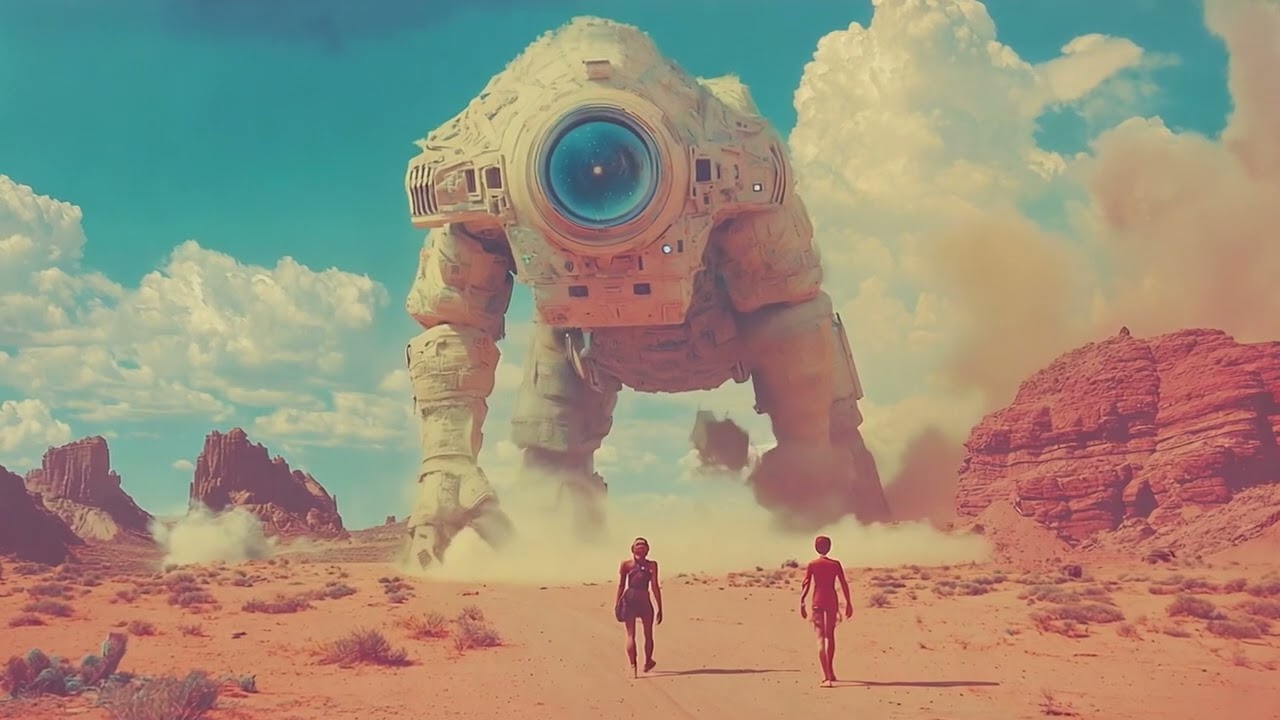
What will the world be like in 2060? This science fiction documentary explores how society, the economy, work, daily life, and the planet will change in just 35 years. In the social sphere, the West, Japan, and China become aging societies, where the majority of the population is over 60 and technology adapts to extend the autonomy of the elderly. At the same time, Africa and parts of Asia are brimming with youth, becoming the new demographic engines of the planet. This gap generates mass migrations, reshaping global culture, fragmenting identities, and opening up philosophical dilemmas about the relationship between humans and artificial intelligence. The economy is dominated by artificial intelligence. Algorithms control production, finance, and world trade. Millions of traditional jobs disappear, and unusual professions emerge: architects of digital realities, AI therapists, and designers of neural experiences. Data becomes the most valuable resource, and large technology corporations concentrate unprecedented power. In response, Universal Basic Income is established as a cornerstone to prevent social collapse, guaranteeing a minimum income for all. The wars of the future are not fought with visible armies, but in cyberspace. Hacks capable of paralyzing entire countries, massive disinformation campaigns, and armies of autonomous drones are redefining conflict. The United States and China are competing in a new technological Cold War, dividing the planet into two rival internets. But the greatest source of tension is not digital, but natural: water, which has become the most strategic resource of the century. Human work is being reinvented. Long careers are disappearing, replaced by constant reinvention. Creativity, empathy, and emotional intelligence are becoming the most valuable skills. Remote work and the project economy dominate the global landscape, as people seek meaning beyond mere survival. In everyday life, medicine is hyper-personalized: each treatment is tailored to the DNA of each patient. Food is changing radically: lab-grown meat, 3D-printed food, and diets designed for each individual. Cities are smart and green, but also hyper-surveillanced, with sensors on every corner. The biggest problem isn't technology, but housing: megacities concentrate millions of inhabitants in unequal conditions. The planet in 2060 is marked by the irreversible effects of climate change. Sea levels are rising, impacting coastal cities, extreme weather events are more frequent, and biodiversity is plummeting. Renewable energies dominate, and nuclear fusion enters the commercial phase, but the technology is too late to reverse the accumulated damage. Meanwhile, investment is being made in biotechnology to conserve species, creating gene banks and digital ecosystems. This science fiction documentary is not just a glimpse into the future: it's a mirror of what's already happening. The year 2060 is a reminder that tomorrow is being built today.

Causality2026